Spinal discs are soft, cushion-like pads found between the bones in your spine. These discs play a key role in movement and help keep your back flexible. In fact, spinal disc function is vital for bending, twisting, and even standing tall. Healthy spinal discs protect your spine and allow you to move with ease. But what exactly are spinal discs, and how do they help you move? Let’s explore their structure, purpose, and how you can keep them healthy.
What Are Spinal Discs?
Spinal discs are small, round cushions that sit between each bone in your spine. These bones are called vertebrae. Each disc acts like a shock absorber. This means they help protect your spine from bumps and sudden movements. Without spinal discs, your back would feel stiff and painful with every step.
Anatomy and Structure of Spinal Discs
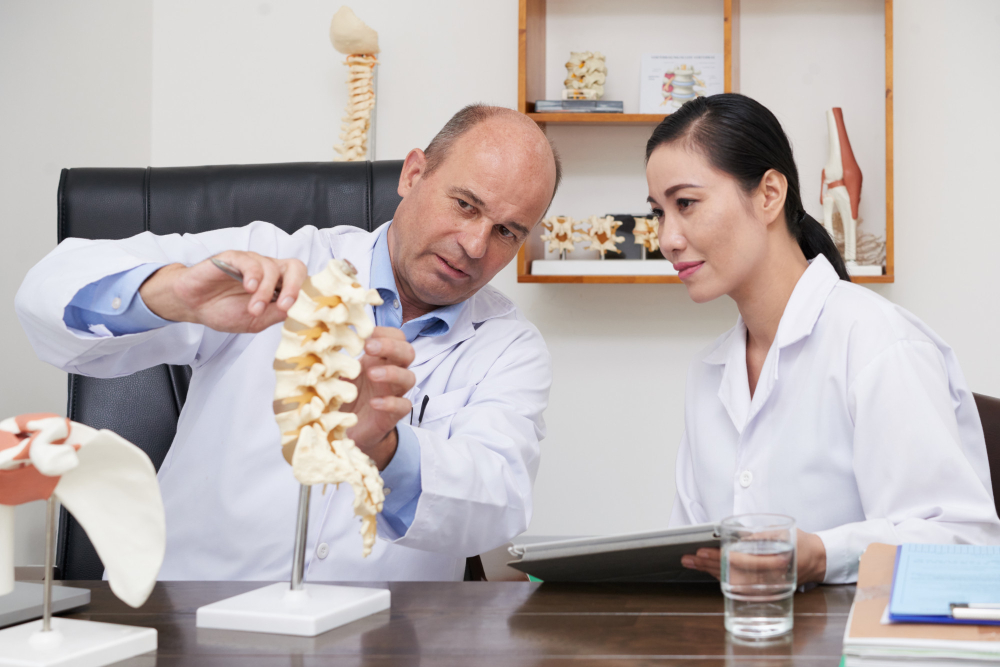
Each spinal disc has two main parts. First, there is a soft, jelly-like center called the nucleus pulposus. This part helps absorb pressure. Second, there is a tough outer layer called the annulus fibrosus. This layer keeps the disc’s shape and holds the center in place. Together, these parts let the disc act like a cushion and support your spine’s movements.
How Spinal Discs Support Movement
Because spinal discs are flexible, they let your spine move in many ways. For example, you can bend forward, lean back, or twist from side to side. Spinal discs also help your spine handle weight and pressure. When you lift something heavy, the discs spread out the force. This keeps your back safe and helps prevent injury. In short, spinal discs are key to almost every movement you make.
Common Problems Affecting Spinal Discs
Sometimes, spinal discs can get damaged or wear out. This can cause pain or limit movement. Here are some common problems:
If you feel back pain, numbness, or weakness in your legs, a spinal disc problem could be the cause. According to the CDC, back pain is a common reason people visit doctors.
Tips for Maintaining Healthy Spinal Discs
Keeping your spinal discs healthy is important for movement and comfort. Here are some simple tips:
By following these steps, you can support your spinal disc health and enjoy better movement every day.
When to See a Specialist
Although mild back pain is common, some signs mean you should see a doctor. For example, if you have severe pain, numbness, or weakness in your legs, get help right away. Also, if your pain does not improve with rest, a specialist can check for spinal disc problems. Early care can prevent more serious issues and help you move better.
In summary, spinal discs are vital for movement and comfort. They cushion your spine and help you bend, twist, and lift. If you have concerns about your spinal disc health, consult Dr. Vamsi Krishna for personalized advice.