
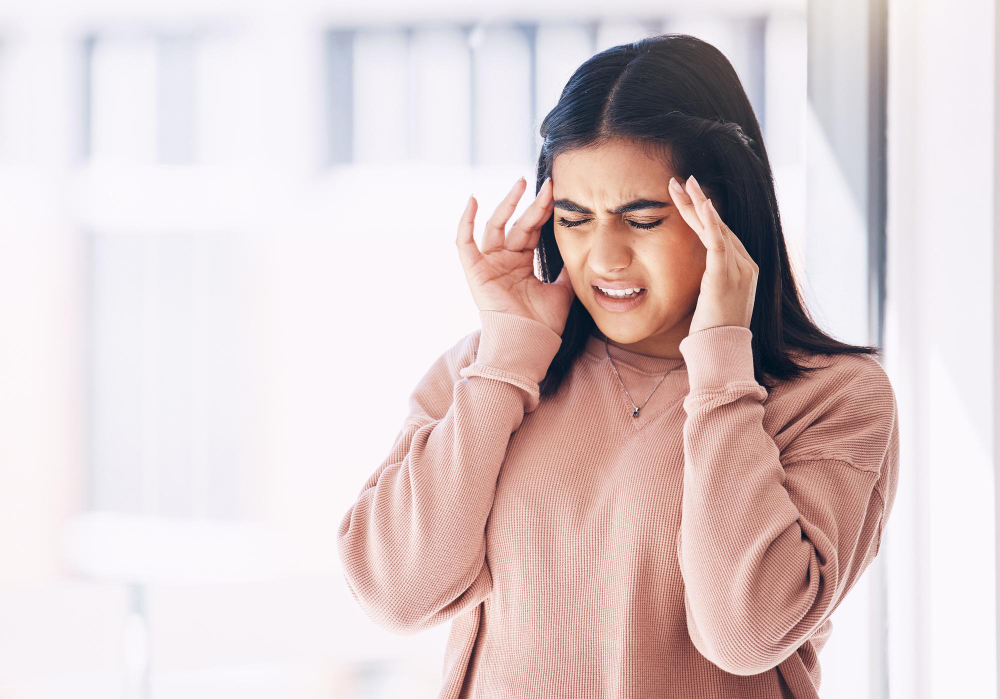
What is Migraine?
Migraine is a type of headache that can cause severe pain. Often, it affects one side of the head. Many people with migraine also feel sick or sensitive to light and sound. According to the World Health Organization, migraine is one of the most common neurological conditions. It can last for hours or even days. Because migraine can disrupt daily life, it is important to understand its symptoms and treatment options.
Common Symptoms of Migraine
Migraine symptoms can vary from person to person. However, most people notice a few key signs. For example, you may feel a throbbing or pulsing pain. This pain often starts on one side of the head. In addition, you may notice:
Sometimes, symptoms start before the headache. This is known as a migraine aura. Not everyone with migraine experiences an aura, but it is common in some cases.
Causes and Risk Factors
Doctors do not know the exact cause of migraine. However, changes in the brain and genetics may play a role. Certain triggers can also bring on a migraine attack. For instance, you may notice that stress or certain foods make your symptoms worse. Other common migraine triggers include:
Some people are more likely to get migraine. For example, if a family member has migraine, your risk may be higher. Women are also more likely to have migraine than men.
How is Migraine Diagnosed?
Doctors use your symptoms and medical history to diagnose migraine. Usually, no special tests are needed. However, your doctor may ask about:
Sometimes, your doctor may order tests to rule out other causes. For example, a brain scan may be done if your symptoms are unusual. But in most cases, a careful history is enough for diagnosis.
Treatment Options for Migraine
There are many ways to treat migraine. The right treatment depends on your symptoms and how often you have attacks. For mild migraine, over-the-counter pain medicine may help. For more severe cases, your doctor may suggest:
It is important to take medicine as soon as you notice migraine symptoms. This can help reduce pain and shorten the attack. Always follow your doctor’s advice about migraine treatment.
Lifestyle Tips and Prevention
Making small changes in your daily routine can help prevent migraine. For example, keeping a headache diary can help you find your triggers. In addition, try these tips:
Because triggers are different for everyone, it helps to track your symptoms. This way, you can avoid things that make your migraine worse.
When to See a Doctor
Sometimes, migraine can be hard to manage on your own. You should see a doctor if:
Early treatment can help prevent migraine from getting worse. Therefore, do not wait to seek help if you are worried about your symptoms.
In summary, migraine is a common but treatable condition. With the right care, you can reduce attacks and improve your quality of life. Consult Dr. Vamshi Krishna, a neurologist, for personalized advice on managing migraines.