
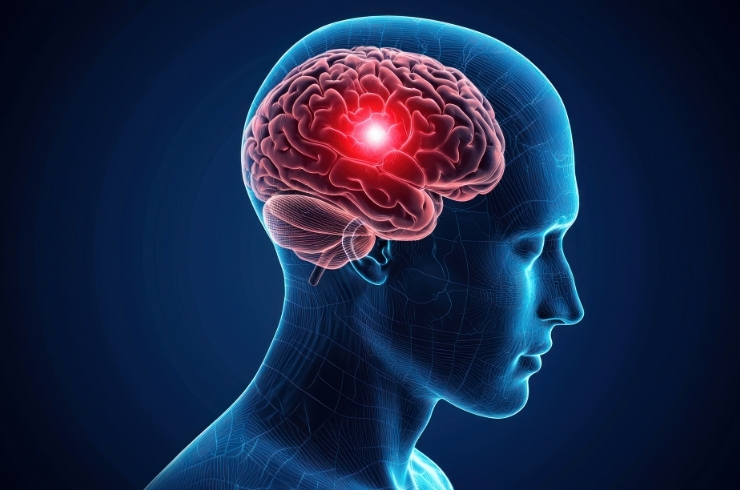
Brain tumor excision is a critical neurosurgical procedure aimed at removing abnormal growths within the brain, whether benign or malignant. This surgery is often the first and most effective step in treating tumors such as gliomas, meningiomas, acoustic neuromas, and metastatic brain lesions. The primary goal is to safely eliminate the tumor while preserving as much healthy brain tissue as possible. Advanced imaging techniques like MRI and neuronavigation are used to guide the surgery with precision and accuracy.
Each brain tumor is unique in its location, size, and impact on surrounding structures, requiring a highly individualized surgical approach. Depending on these factors, excision may be performed using microsurgical or minimally invasive techniques, often under high magnification to ensure complete removal. For deep-seated or functionally critical areas, intraoperative monitoring and awake craniotomy techniques may be used to minimize neurological risk.
Successful brain tumor excision not only improves survival outcomes but also relieves symptoms such as headaches, seizures, vision problems, and cognitive impairment. Combined with postoperative therapies like radiation or chemotherapy when needed, this procedure plays a vital role in restoring neurological function and enhancing the patient’s overall quality of life.