Introduction
Spine surgery has changed a lot in recent years. Today, preserving motion in cervical disc treatments is a top goal for doctors. In the past, many surgeries made the neck stiff. Now, new methods help keep the neck moving well. This is important because a flexible neck lets you turn, nod, and move with ease. For many people, keeping this motion means a better quality of life. In this blog, we will explore why motion matters and how modern cervical disc treatments are shaping the future of spine surgery.
What is Cervical Disc Disease?
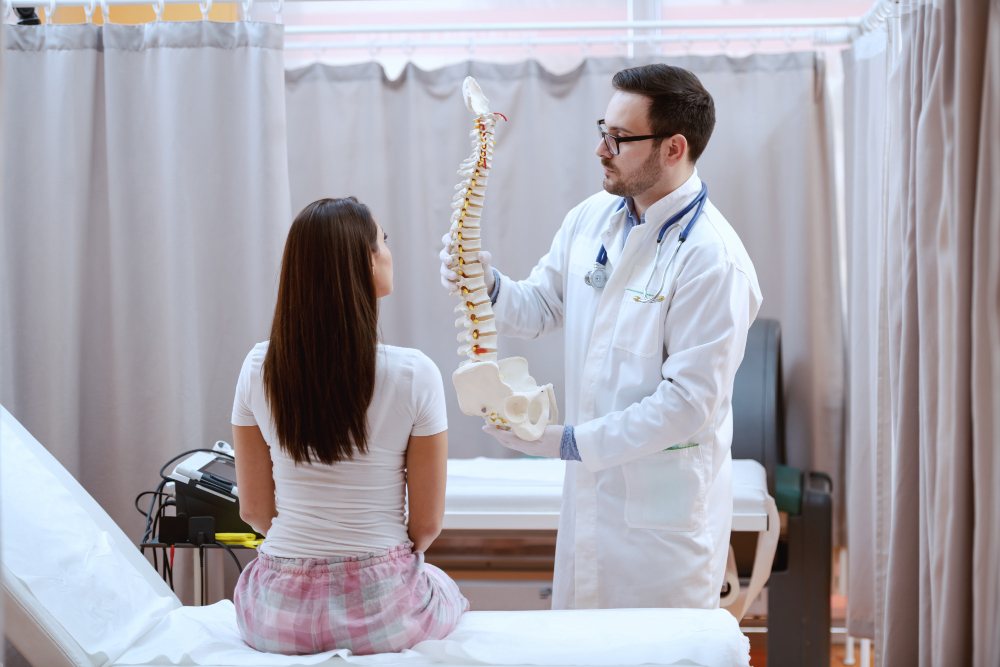
Cervical disc disease affects the discs in your neck. These discs act like small cushions between the bones of your spine. Over time, these discs can wear out or get damaged. As a result, you may feel neck pain, stiffness, or numbness in your arms. Sometimes, the pain can even spread to your shoulders. For many people, this problem makes daily tasks hard. However, early treatment can help manage symptoms and prevent more damage.
Traditional Spine Surgery vs. Modern Approaches
In the past, doctors often used a method called spinal fusion. This surgery joins two bones together, stopping movement at that spot. While fusion can ease pain, it also makes the neck less flexible. Over time, nearby discs may wear out faster. However, modern cervical disc treatments now focus on motion preservation in spine surgery. For example, artificial cervical disc replacement lets the neck move more naturally. This new approach helps protect the rest of the spine.
The Importance of Motion Preservation in Spine Surgery
Preserving motion in the neck is very important. When your neck moves well, you can look around, drive, and do daily tasks with ease. In addition, keeping motion helps prevent extra stress on other parts of the spine. For example, if one part is stiff, other areas may work harder and wear out faster. Because of this, motion-preserving spine surgery is now a top choice for many doctors and patients.
Latest Advances in Cervical Disc Treatments
Today, there are many new options for treating cervical disc disease. Artificial cervical disc replacement is one of the most popular. In this surgery, doctors remove the damaged disc and put in an artificial one. This new disc acts like a real cushion and lets the neck move. Other modern cervical disc treatments include new materials and better surgical tools. As a result, surgeries are safer and recovery is often quicker.
Benefits of Motion-Preserving Techniques
There are many benefits to motion-preserving spine surgery. Some of the main advantages include:
In addition, many patients report a higher quality of life after these treatments. For example, they can enjoy sports, hobbies, and work with less pain.
Who Can Benefit from These Treatments?
Not everyone with neck pain needs surgery. However, some people are good candidates for motion-preserving cervical disc treatments. You may benefit if:
However, only a spine specialist can decide if this treatment is right for you. They will review your health and discuss your options.
Risks and Considerations
Like all surgeries, motion-preserving spine surgery has some risks. For example, there may be infection, bleeding, or problems with the artificial disc. In addition, some people may not get full relief from pain. However, most people recover well with proper care. It is important to talk with your doctor about all risks and benefits before choosing surgery.
Future Trends in Spine Surgery
The future of spine surgery looks bright. New research is making surgeries safer and more effective. For example, doctors are testing better artificial discs and less invasive methods. In addition, more focus is on motion preservation in spine surgery. As a result, more people may enjoy pain-free movement after treatment. According to the World Health Organization and recent medical journals, these advances are helping many patients live better lives.
Conclusion
In summary, preserving motion in cervical disc treatments is now the top goal in modern spine surgery. New methods, like artificial cervical disc replacement, help keep your neck moving and reduce pain. If you have neck pain or disc disease, talk to a spine specialist Dr. Vamsi Krishna can help you decide if motion-preserving cervical disc treatments are right for you.