
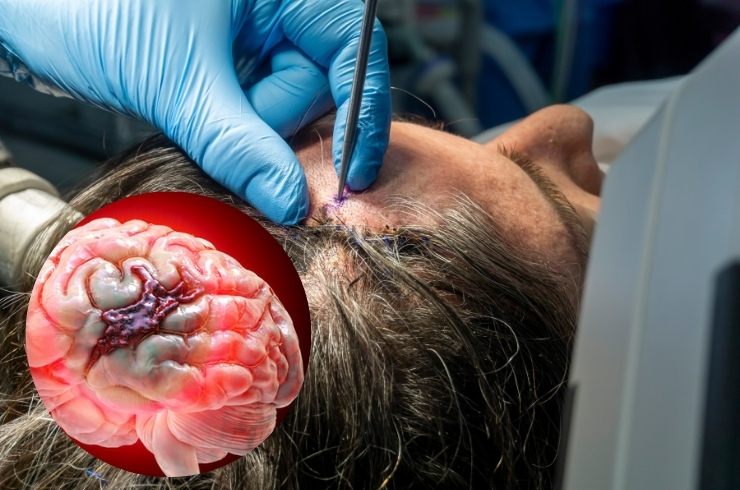
Craniotomy for stroke and hematoma is an emergency neurosurgical procedure performed to relieve pressure on the brain caused by bleeding or swelling. In cases of hemorrhagic stroke, where a blood vessel ruptures in the brain, or when a traumatic brain injury leads to a hematoma (collection of blood), timely surgical intervention is critical. A craniotomy involves temporarily removing a portion of the skull to access and evacuate the clot or control active bleeding, helping to restore normal brain function and prevent further damage.
There are several types of hematomas that may require craniotomy, including epidural, subdural, and intracerebral hematomas. The surgical goal is to reduce intracranial pressure, minimize brain compression, and preserve neurological function. In selected cases of large or worsening ischemic strokes, a decompressive craniotomy may also be performed to manage swelling and prevent brain herniation.
This procedure is often performed under critical conditions and requires expert decision-making, advanced imaging, and real-time monitoring. When conducted promptly and effectively, craniotomy for stroke and hematoma can be life-saving, significantly reducing the risk of permanent disability and improving the chances of a meaningful recovery.