
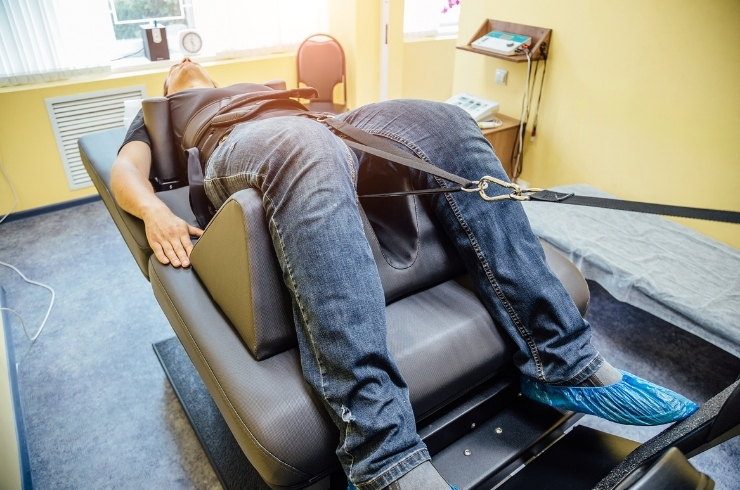
Spinal decompression and fusion surgery is performed to relieve pressure on the spinal cord or nerve roots caused by conditions such as spinal stenosis, herniated discs, spondylolisthesis, or degenerative disc disease. The goal of decompression is to remove the source of nerve compression—such as bone spurs, thickened ligaments, or disc material—thereby reducing pain, numbness, or weakness in the back, legs, or arms.
Once decompression is achieved, spinal fusion is often done to stabilize the affected segment of the spine. This involves joining two or more vertebrae together using bone grafts and instrumentation like screws and rods. Over time, the fused bones heal into a single solid unit, preventing abnormal movement and further degeneration at that level. Fusion enhances spinal stability, corrects deformities, and helps reduce chronic pain caused by instability.
This combined approach offers significant relief for patients suffering from persistent spinal symptoms that do not respond to conservative treatments. While recovery varies by individual, most patients experience improved mobility, reduced pain, and a better quality of life following spinal decompression and fusion surgery. The procedure is a trusted solution for achieving long-term spinal health and functional recovery.